Living in Your House During a Renovation: When It Works and When It Doesn't
For most projects, yes — and most clients do. For two of them the answer is always no, and a contractor who tells you otherwise is telling you what you want to hear.
This is the question we’re asked most often, and the honest answer depends entirely on which room is being worked on and whether the systems stay running.
Here it’s project by project.
Kitchen — yes, with a plan
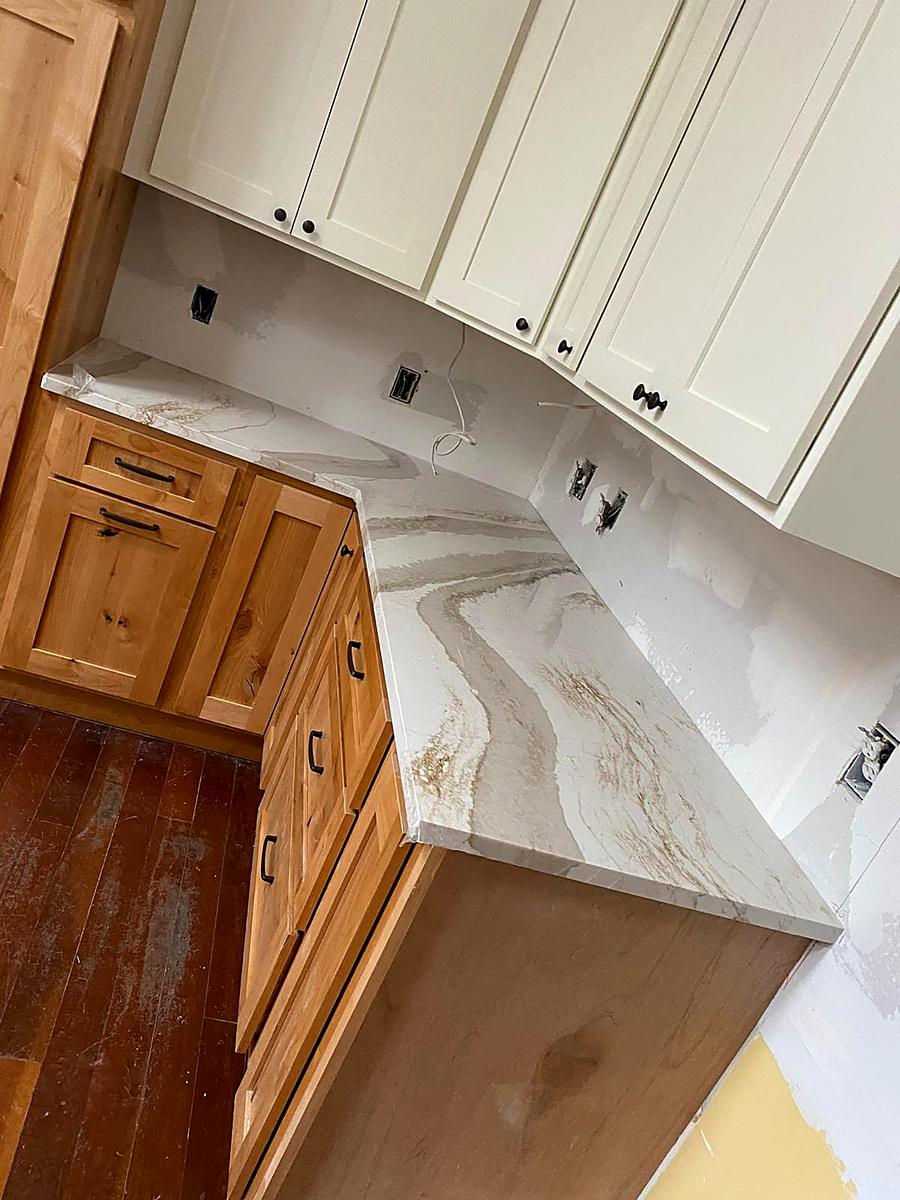
Most clients live through a kitchen remodel. It takes five to seven weeks on site for a same-footprint job, seven to ten with a layout change.
What makes it survivable is set up in the first two days: a dust wall sealing the kitchen off, the fridge and microwave relocated somewhere else in the house with a work surface, and a protected route in and out for the crew that’s not through your living room.
The hard part isn’t dust. It’s eating. Six weeks of takeaway costs real money and gets old in ten days — budget for it, and put a kettle, a toaster and a way to wash up somewhere sensible.
Bathroom — yes, if you’ve another one
Three to four weeks for a full gut with the plumbing staying put, up to eight for a primary suite.
The only real question is whether another working bathroom exists. If the one being rebuilt is the only bathroom in the house, you’re moving out for at least part of it, and any contractor who says otherwise hasn’t thought about the week the fixtures are off.
Addition — yes, and this is its advantage
An addition happens largely outside the existing envelope, so it disrupts daily life far less than its cost and duration suggest.
There’s one disruptive stretch: when we open the existing wall to connect the two. That’s loud, dusty, and briefly makes part of your house a construction site. It’s usually days rather than weeks, and we’ll tell you which days.
Garage conversion — yes, easily
You lose the garage, which you were losing anyway. The work is contained, the house stays sealed, and this is the least disruptive project on the list.
Whole-home renovation — no
Every wall is open, the systems are off for stretches, and there’s no room that stays clean. We won’t take a whole-home job on a live-in basis, and it’s not a preference. Living on site through a whole-home job is the single thing most likely to turn a good project into a hard one.
The strongest version of this work happens between closing and moving in. No dust walls, no protecting furniture, no schedule built around a child's bedtime. The trades work in the order that makes sense rather than the order that keeps a bathroom usable, which is faster and therefore cheaper.
If you’re already in the house, phasing is usually the better answer — kitchen this year, primary suite next — rather than one long siege.
Anything that takes the systems offline — no
Re-piping, a full electrical rewire, or HVAC replacement in August all mean the house is uninhabitable for a stretch. These are often short, but they’re absolute.
What a good contractor does either way
- A dust wall, not a plastic sheet. Sealed, zipped, and taken down at the end rather than left flapping.
- Floor protection on the whole route, not just the room.
- A tidy site at the end of every day. This one is entirely about respect, and it’s the thing clients remember.
- Stated working hours, agreed before the start — particularly if someone in the house sleeps during the day or works from home.
- A weekly written update with photographs, so you’re not asking what happened.
The money question worth running
If moving out for eight weeks costs you $12,000 in rent, and living through it costs you a slower schedule, six weeks of takeaway and two months of everyone being short with each other — the numbers are closer than people assume.
Run it before you decide. Most people never do, and default to staying because moving out feels like an extravagance rather than a line item.
What that looks like on a real job: The Maze — a second-floor bathroom taken back to the frame →
Tell us about the project.
We’ll tell you whether you can stay, and what it takes to make it bearable if you do.
Trying to decide whether to move out?
We will walk your house and tell you which rooms stay usable, how long each phase really takes, and what living through it will cost you in schedule.
One office, one number. We answer every message ourselves, the same business day during work hours.
Fully insured · NARI member · two years on workmanship · lifetime warranty on our shower pans