Renovate Before Selling or After Buying? What the Austin Numbers Say
Two different questions with two different answers. One is about return. The other is about cost and disruption — and it's the easier one.
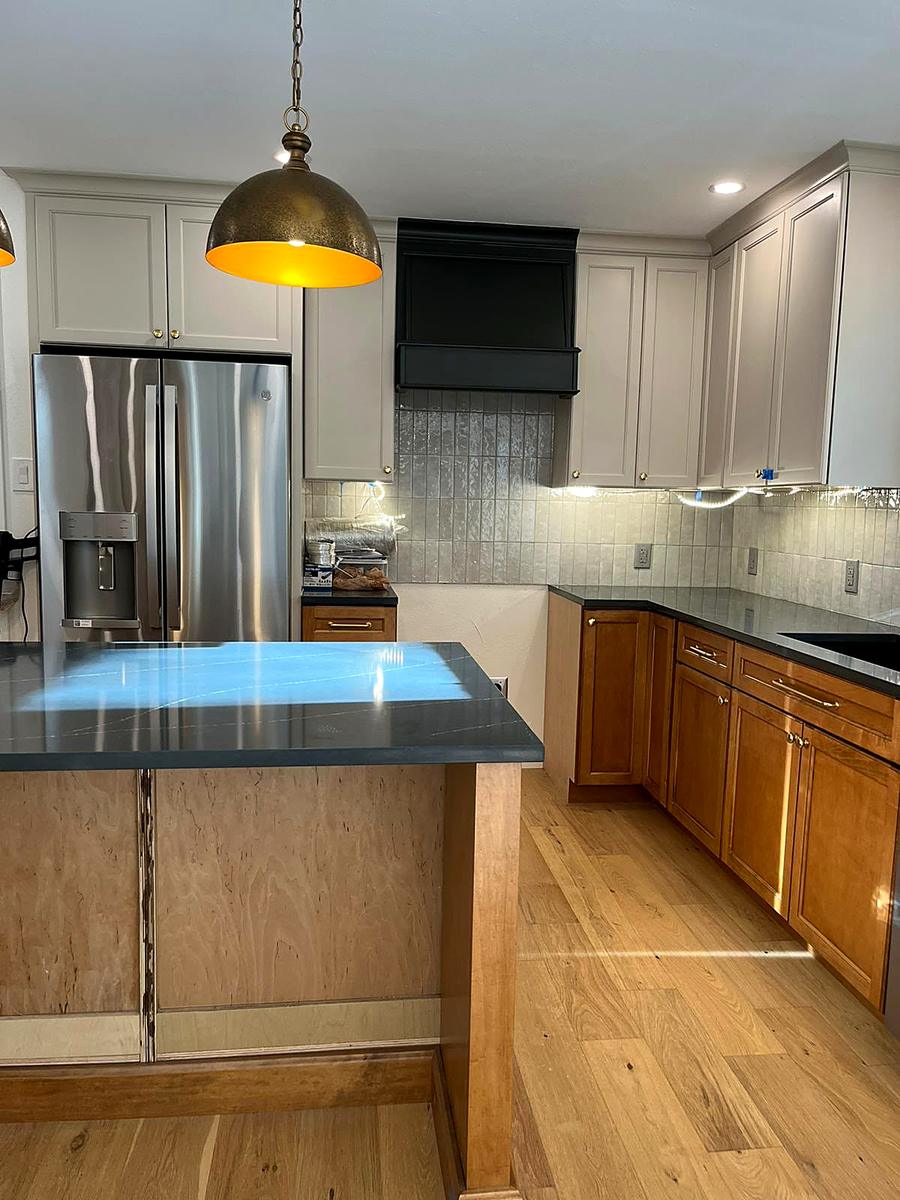
People ask these as one question. They aren't. Renovating to sell is a bet on what a buyer will pay you back. Renovating a house you've just bought is about doing the work at the cheapest, easiest moment it will ever happen.
If you're buying: renovate before you move in
This one isn't close.
The window between closing and moving in is the cheapest this work will ever be. No dust walls. No protecting furniture. No living in two rooms for four months. No schedule built around a toddler's bedtime.
And it's faster, which means it costs less. Trades work in the order that makes sense instead of the order that keeps one bathroom usable. A whole-home renovation done in an empty house finishes months earlier than the same scope done around a family.
The mistake we see most: people move in, live with it for two years, then try to renovate around themselves. It takes longer and costs more, and it is much harder on the family living through it.
If you're still looking at houses, get a builder in before you make an offer. An hour in the house tells you what the renovation will cost — and that's a number you can use while you're negotiating. We do that visit for free, and it's the most useful thing we do for buyers.
If you're selling: only some of it pays you back
Here the honest answer is that most renovations don't return their full cost at sale. Some come close. Some don't come close at all.
Usually worth doing
- Paint. Cheapest thing on this list and the most reliable return. Neutral, everywhere, including the trim.
- Flooring. Worn carpet or dated tile drags a whole house down in photos and in person.
- Lighting. Replacing dated fixtures costs very little and changes how every room reads.
- The repairs an inspector will find anyway. Fix them now and they don't become a negotiation later.
- Curb appeal. The front door, the landscaping, the paint on the trim. It sets the buyer's expectations before they're inside.
Usually not worth doing
- A full kitchen replacement — unless the kitchen is the specific thing holding your price down. It's a lot of money and the next owner may not like your choices.
- A luxury primary suite. You'll enjoy it. You won't get it back.
- Anything highly personal. A wine room, a specific tile you love. Buyers price it at zero or at less than zero.
- An addition, purely to sell. Too slow, too expensive, too uncertain.
The rule of thumb: work that makes a house feel cared for returns well. Work that makes it feel like your house doesn't.
The middle case: you're selling one and buying another
This is common in Austin and it's where people get it backwards. They spend heavily on the house they're leaving and arrive at the new one with nothing left.
Do the cheap high-return work on the house you're selling — paint, floors, lighting, repairs. Save the real budget for the house you're keeping, and do that work before you move in.
What we'd tell you on the phone
If you're selling, ask a good agent what's actually holding your price down in your neighborhood before you spend anything. Sometimes it's the kitchen. Often it's the paint and the front of the house.
If you're buying, call us before you close. It costs you nothing and it's the only moment where a renovation number changes what you pay for the house.
Looking at a house right now?
Send us the address. We'll walk it with you before you make an offer, at no charge, and tell you what the work would cost.